In LoDo, the Building Decides Your Financing Before the Price Does
September 24, 2026
September 24, 2026
A penthouse unit at 1500 Wynkoop Street closed in January 2026 for $8.25 million. The buyer paid cash. The unit had been on the market for 106 days, according to the Denver Metro Association of Realtors' market trends data for that month, an unusually long run for a sale at that price point in a neighborhood that markets itself on scarcity and skyline views.
That single transaction is a better guide to buying a condo in LoDo right now than any median price you will find on a portal. A luxury unit that sat on the market for over three months before closing in cash is not a story about buyer hesitation. It is a story about financing, and it points to something every LoDo buyer needs to understand before they fall for a listing photo: in this neighborhood, the building decides what kind of loan you can get long before the price tag does.
Lower Downtown's condo stock is not one product. It is at least two, and they behave differently at the closing table.
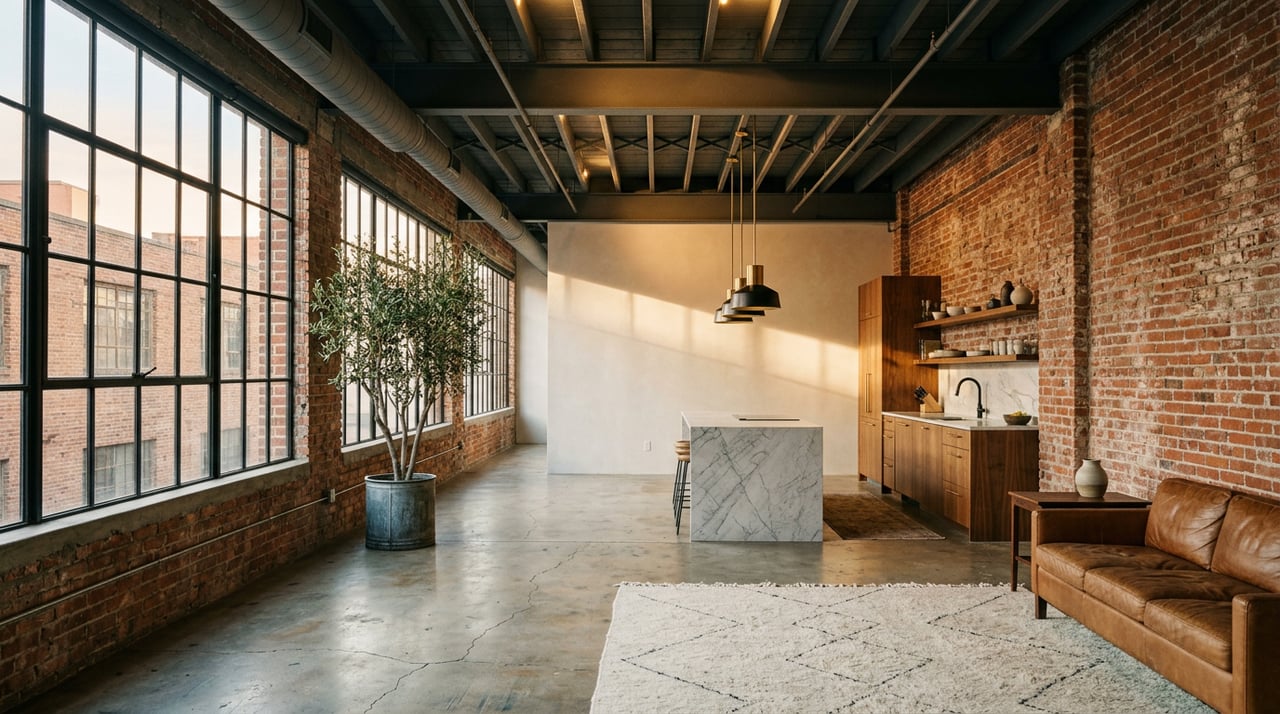
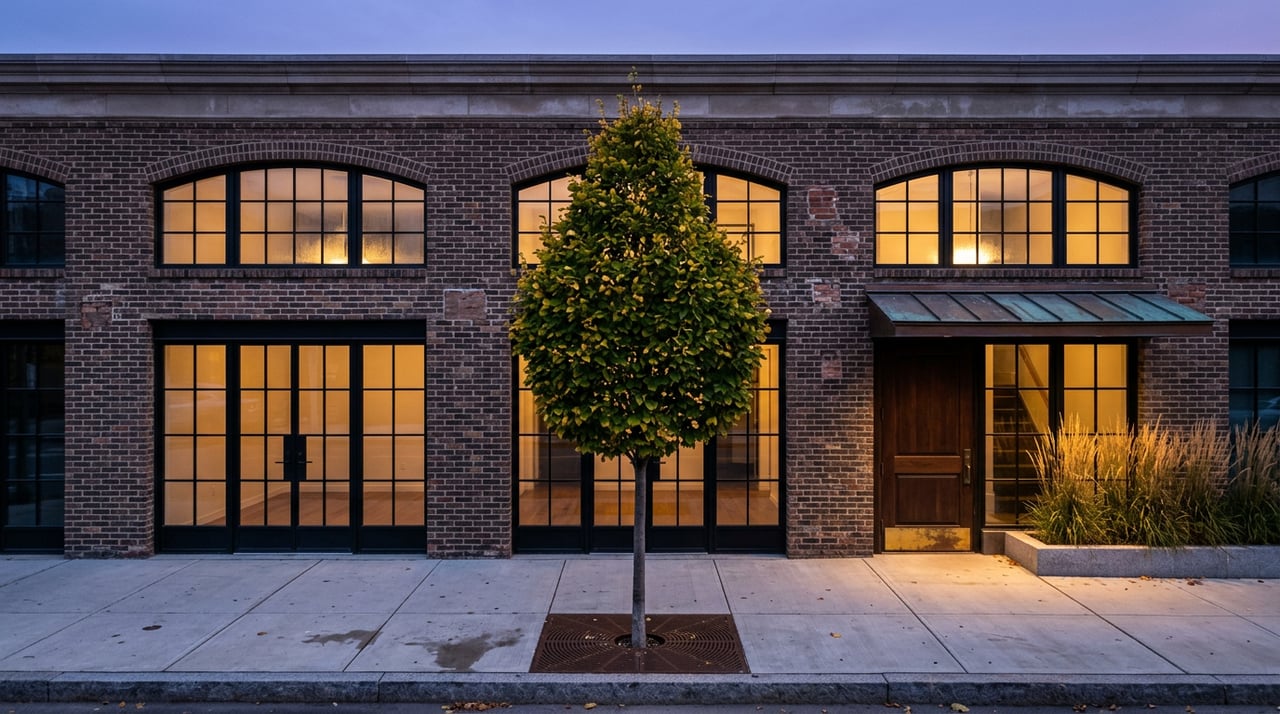
On one end sit the historic warehouse conversions, buildings like Ice House Lofts at 1801 Wynkoop Street, which started life as the Littleton Creamery and Beatrice Foods cold storage warehouse before being converted into residential lofts in the 1980s and added to the National Register of Historic Places in 1985. These buildings carry exposed brick, timber beams, and a level of character no new construction can replicate. They also carry small homeowners associations, older mechanical systems, and, in some cases, a mix of ground-floor retail that lenders scrutinize closely.
On the other end sit newer full-amenity towers such as The Coloradan and 1401 Wewatta, along with luxury projects like the Four Seasons Private Residences. These buildings offer modern systems and professional management, but new and newly converted projects come with their own presale and concentration requirements that can keep a building ineligible for standard financing until enough units have sold and enough time has passed.
A third category is still shaking out. Upton Residences, a high-rise project reported on by the Denver Gazette in May 2026, was designed to bring studio-to-three-bedroom condos with floor-to-ceiling glass and extensive amenities to downtown Denver, but agents quoted in that reporting questioned whether the project would move forward as a for-sale building at all given its late stage of construction. Until a building like that resolves its ownership structure, it simply is not something a conventional buyer can finance, regardless of how the unit looks in a rendering.
The point is not that one type of building is better than the other. The point is that a buyer comparing two LoDo condos at the same price cannot assume they are comparing the same financing product.
Lenders selling loans to Fannie Mae or Freddie Mac need the condo project itself, not just the borrower, to meet a set of standards. When it does, the building is warrantable and buyers get access to conventional financing with lower down payments and more competitive rates. When it does not, financing options narrow to portfolio loans held by local and regional banks, non-QM products, or cash.
A handful of building-level details tend to trip up LoDo projects specifically:
Owner-occupancy and investor concentration. Downtown buildings attract investor buyers, and a building with a high share of non-owner-occupied units can fall outside conventional guidelines.
Commercial square footage. Many LoDo conversions include ground-floor retail. Once commercial space exceeds a certain share of the total project, and the threshold generally sits in the 25 to 35 percent range depending on the reviewing agency, the building can lose warrantable status.
Reserve health and special assessments. Colorado condo associations operate under the Colorado Common Interest Ownership Act, which gives boards real authority to levy special assessments when reserves fall short of a needed repair. A building with an outdated reserve study, or one that has issued frequent special assessments, raises flags for underwriters even when the unit itself shows beautifully.
Litigation. Pending disputes tied to structural issues or HOA finances can make a project ineligible for conventional loans until the matter is resolved.
None of these show up in listing photos. They show up in HOA documents, board minutes, and reserve studies, which is exactly why a buyer's first serious conversation about a LoDo condo should happen with the HOA packet, not the comps.
The friction visible at 1500 Wynkoop is not isolated to one penthouse. DMAR's Market Trends Report for August 2026 shows attached homes across the eleven-county metro area sitting at a median of 45 days on the market, compared to 24 days for detached homes. Attached median prices fell nearly 5 percent year over year to $370,000, even as detached prices held roughly flat. Luxury attached properties fared worse still, averaging 99 days on market according to that same reporting cycle.
LoDo is a majority-condo neighborhood, which means it absorbs more of that structural drag than most Denver submarkets. A single-family home nearby can lean on land scarcity to hold value and sell in weeks. A condo has to clear financing hurdles first, and when it can't, it waits.
That is the number that matters here, not the median price. Days on market in the attached segment is a financing story wearing a market-conditions costume.
Underwriting rules for condos are not static, and one recent change is worth knowing if you are eyeing an older LoDo conversion. Fannie Mae retired its separate 50 percent investment-property concentration limit for established projects reviewed under its Full Review process in 2026. That change specifically helps buildings like the older LoDo lofts, where investor ownership has historically run higher than in suburban condo projects, potentially restoring conventional eligibility to buildings that had drifted out of it.
Single-entity ownership limits still apply, and newly converted projects still face separate presale requirements, so this is not a blanket fix. It is a meaningful adjustment for exactly the kind of 1990s-and-earlier resale loft stock that makes up much of LoDo's current inventory, and it is worth asking your lender directly whether a specific building has been re-reviewed since the change took effect.
A good listing agent or seller should be able to answer these without hesitation. If the answers are vague, budget extra time for your own due diligence before you remove a financing contingency.
None of this uneven financing picture means LoDo is losing momentum. The 16th Street Mall's full reopening in the fall of 2025 restored one of downtown's central pedestrian corridors. Marczyk Fine Foods opened a new 450-square-foot Mighty Market inside Denver Milk Market this year, adding to a food hall that already anchors foot traffic through the neighborhood's historic core. Union Station, Coors Field, and Larimer Square continue to draw the daily activity that makes LoDo feel lived-in rather than transitional.
A neighborhood can reinvest in itself and still carry a fragmented financing landscape building by building. Those two facts are not in tension. They are simply two different layers of the same market, and a buyer who understands both is in a much stronger position than one who only reads the median.
Does non-warrantable mean I can't buy the unit at all? No. It means your financing options shift toward portfolio loans, non-QM products, or a larger down payment, and your buyer pool narrows because fewer lenders will compete for the loan.
Are new-construction towers automatically non-warrantable? Not automatically, but new and newly converted projects face separate presale and concentration requirements that can keep them ineligible for conventional financing until enough units have sold and enough time has passed since completion.
How do I find out if a specific LoDo building is currently warrantable? Ask your lender to run the building through Fannie Mae's Condo Project Manager, and request the HOA's most recent reserve study, budget, and meeting minutes directly from the association or the seller.
If you are weighing a LoDo condo against another Denver neighborhood, or trying to figure out which building on a given block will actually finance the way you need it to, that is exactly the kind of building-specific groundwork Christine Nicholson walks clients through before an offer goes in, not after.
Stay up to date on the latest real estate trends.
Get assistance in determining current property value, crafting a competitive offer, writing and negotiating a contract, and much more. Contact Christine today.